

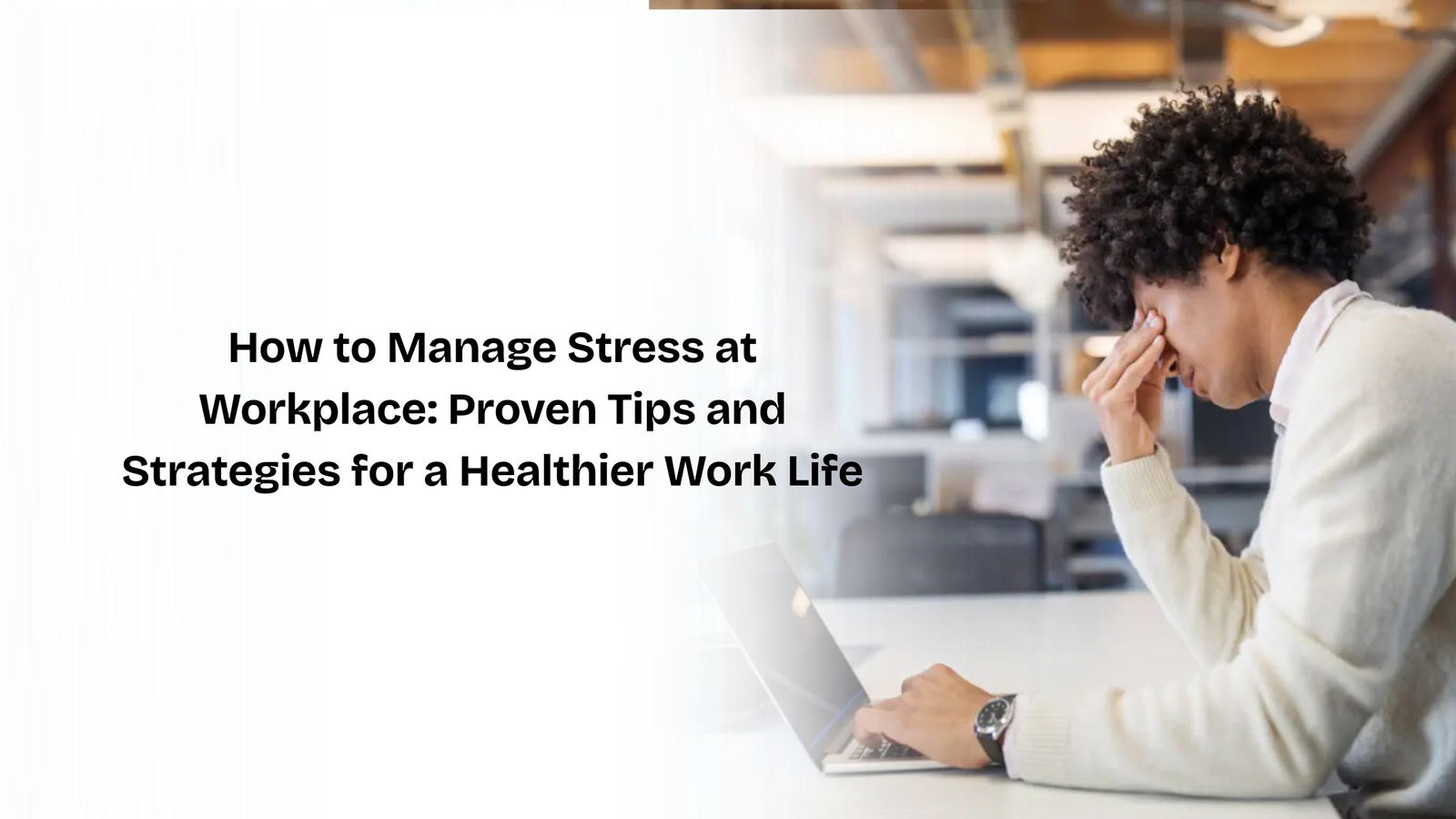
Workplace stress is a common challenge faced by employees globally, often affecting productivity, motivation, and overall well-being. Learning how to manage stress effectively at work not only boosts your mental health but also creates a positive environment for career growth and personal satisfaction. This comprehensive guide offers proven strategies and practical tips to help you recognize workplace stress and reduce its impact.
Understanding Workplace Stress
Workplace stress arises when job demands exceed an individual’s capacity to cope. It can result from tight deadlines, overwhelming workloads, lack of control, unclear expectations, or interpersonal conflicts. Chronic workplace stress can lead to burnout, anxiety, depression, and physical health problems.
Recognizing early signs of stress—such as irritability, fatigue, poor concentration, and decreased job satisfaction—is key to managing it effectively.
Proven Tips and Strategies to Manage Stress at Workplace
1. Encourage Workplace Wellness
Exercise and healthy living are powerful weapons against workplace stress. Physical activity shifts focus away from stressors and boosts mood by increasing endorphin levels.
- Take short walks during lunch breaks
- Use standing desks or ergonomic chairs to improve physical comfort
- Participate in office fitness challenges or yoga sessions
- Incorporate healthy snacks like fruits or nuts in the office
Creating an environment that supports wellness encourages employees to prioritize their health and feel valued.
2. Revamp Your Workspace
A cluttered or uninspiring environment can sabotage focus and increase stress.
- Add plants or natural lighting to improve air quality and mood
- Use uplifting colors in your work area
- Personalize your desk with photos or meaningful items
- Organize your workspace to reduce distractions
Having a comfortable, pleasant workspace contributes to mental clarity and emotional calm.
3. Set Realistic Goals and Prioritize Tasks
Overwhelming workloads cause significant stress. Use prioritization techniques such as the Eisenhower Matrix to categorize tasks by urgency and importance. Focus on completing the most critical tasks first.
- Break large projects into smaller steps
- Delegate tasks when possible
- Use task management tools like Trello, Asana, or Microsoft To-Do to track progress
- Set clear, achievable deadlines
Keeping goals manageable increases productivity and reduces burnout risk.
4. Establish Boundaries and Flexible Work Hours
Maintaining a healthy work-life balance helps control stress levels.
- Define specific work start and end times
- Communicate boundaries clearly with colleagues and supervisors
- Use “Do Not Disturb” modes during personal time
- Explore remote work or flexible scheduling options if available
Flexibility demonstrates trust and empowers employees to manage responsibilities effectively.
5. Practice Mindfulness and Breathing Exercises
Mindfulness meditation improves focus and emotional regulation.
- Practice 2 to 5 minutes of mindfulness meditation during breaks
- Use apps like Headspace or Calm for guided sessions
- Try breathing techniques such as the 4-7-8 method to calm anxiety
- Incorporate progressive muscle relaxation or visualization exercises
These quick practices help reset your stress response multiple times a day.
6. Encourage Social Connection and Support
Positive relationships reduce feelings of isolation and stress.
- Engage in casual conversations or team lunches
- Participate in social activities at work
- Join peer support groups or employee resource networks
- Talk openly about stressors when comfortable
Strong workplace relationships foster collaboration and emotional resilience.
7. Create Quiet Spaces and Take Breaks
Regular breaks improve focus and mental recovery.
- Utilize quiet rooms, lounges, or outdoor spaces for short escapes
- Take naps or practice relaxation during longer breaks
- Implement “No Meeting” times to reduce overload
- Use break time for short walks or mindfulness
Rested employees are more productive and less prone to stress.
8. Seek Counseling or Employee Assistance Programs
Professional support can provide personalized coping strategies.
- Many organizations offer confidential counseling services
- Use Employee Assistance Programs (EAP) for guidance and resources
- Explore virtual therapy options for convenience and privacy
Professional help can be critical when stress becomes overwhelming.
9. Recognize Achievements and Practice Gratitude
Acknowledgement boosts morale and combats negativity.
- Managers should recognize employee accomplishments publicly or privately
- Practice daily gratitude by noting positive aspects of your work
- Celebrate small wins to maintain motivation
Fostering positivity contributes to a healthier work environment.
Additional Tips for Managing Stress
- Limit multitasking to increase efficiency and reduce burnout
- Avoid unhealthy coping mechanisms like excessive caffeine, smoking, or alcohol
- Practice humor and laughter to quickly reduce stress hormones
- Maintain hydration and balanced nutrition throughout the workday
- Engage in hobbies or activities outside work that bring joy and relaxation
Conclusion
Managing stress at the workplace is essential for maintaining mental health and achieving professional success. By implementing wellness practices, setting clear goals and boundaries, practicing mindfulness, and seeking support when needed, employees can foster resilience and enjoy a healthier work life. Employers creating supportive environments and offering flexible policies greatly contribute to reduced workplace stress and enhanced employee satisfaction.
