

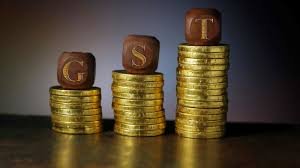
Gold remains one of the most trusted assets for wealth preservation, cultural traditions, and long-term investment. Recent changes in GST regulations, along with global economic developments, are now influencing gold prices and shaping investor behavior in India and across global markets.
Understanding the New GST Laws on Gold
- GST on Gold Jewellery: 3% on the gold value + 5% on making charges.
- Updated (2025) Import Duties:
- Customs duty reduced from 12.5% to 5%
- 1% AIDC (Agriculture Infrastructure Development Cess)
- Customs duty reduced from 12.5% to 5%
- This brings the effective import tax on gold to nearly 9%.
- Reduced import duties aim to curb smuggling and drive more transactions into the formal market.
- Digital Gold: Attracts 3% GST, similar to physical gold.
- Gold ETFs & Gold Mutual Funds: Exempt from GST.
- These reforms support a more transparent and efficient gold ecosystem for buyers and sellers.
How the New GST Laws Affect Gold Prices
- Lower import duties can moderate domestic gold prices, improving affordability.
- Price trends still depend on broader global factors such as:
- Inflation and recessionary signals
- Geopolitical conflicts
- Dollar strength
- Central bank gold buying
- Inflation and recessionary signals
- Festive demand during Dhanteras, Diwali, and wedding seasons continues to push prices upward.
- Experts foresee short-term volatility but a long-term upward trend as investors use gold to hedge inflation.
Key Factors Driving Gold Price Increase
- Heightened global uncertainty keeps gold in demand as a safe-haven asset.
- Major central banks continue accumulating gold reserves.
- Rupee depreciation makes imports costlier.
- Festivals and cultural demand add seasonal price pressure.
- Stock market volatility drives investors toward stable assets like gold.
Best Gold Investment Strategies for 2025 and Beyond
1. Diversify Across Gold Investment Options
- Physical Gold: Bars, coins, and jewellery for cultural or personal value.
- Gold ETFs: Low-cost, highly liquid, and track spot prices accurately.
- Gold Mutual Funds: Offer SIP options for disciplined investing.
- Sovereign Gold Bonds (SGBs):
- Earn 2.5% annual interest
- No capital gains tax if held till maturity
- Earn 2.5% annual interest
- Digital Gold: Easy, convenient, and suitable for small-ticket purchases.
If you’re exploring different investment methods, check out this complete guide on smart gold investment strategies for deeper insights.
2. Adopt a Phased Buying Method
Instead of buying in a lump sum at peak prices, opt for:
- SIPs
- Periodic purchases
- Rupee-cost averaging
This helps reduce the impact of short-term volatility.
3. Ideal Portfolio Allocation
Most financial advisors suggest keeping 5–15% of your portfolio in gold depending on:
- Risk appetite
- Time horizon
- Market conditions
4. Monitor Key Economic Indicators
Stay updated on:
- Interest-rate announcements
- Global inflation data
- Crude oil prices
- Currency fluctuations
- Geopolitical risks
These factors significantly influence gold prices.
5. Make Tax-Efficient Choices
- Use SGBs for tax-free capital gains and additional interest.
- Understand GST implications before buying jewellery to avoid extra charges.
- Compare making charges, as they vary widely across jewellers.
GST Tips for Buyers and Sellers
For Buyers
- Always request a GST invoice to ensure authenticity.
- Budget for 3% GST on gold value + 5% GST on making charges.
- Compare retailers, making charges, and purity certifications.
For Sellers
- Simplified GST compliance improves transparency.
- Digital gold and ETFs reduce tax and inventory-related risks.
- Clear invoicing builds trust and improves customer retention.
Future Outlook
- Gold will remain a preferred hedge against inflation and market uncertainty.
- Digital platforms and fintech innovations will expand gold accessibility.
- Transparent GST and duty structures will strengthen formal gold trade.
- Global monetary policies will continue influencing price movements.
Ethical sourcing and sustainability may become bigger priorities for buyers.
